

🔒 The empathy tax: The hidden cost of the AI revolution
The implementation of AI was supposed to be a straightforward path to higher productivity, but instead of gaining the time they’d hoped for, managers have been unexpectedly saddled with a new responsibility: the day-to-day management of their teams’ technological stress.

Marta, the head of an analytics department of a dozen-plus people, looks at her calendar with growing frustration. For the past month, her team has been using advanced AI agents to generate reports. In theory—according to the leadership’s promises—this move was supposed to free up 30% of her time. In practice, Marta’s calendar is bursting at the seams. Instead of analyzing data and crafting new strategies, she now spends hours in endless one-on-one meetings on Teams. Her employees are stressed, dropping hints about restructuring and questioning the point of their daily tasks, since “the machine does it in three minutes.” Marta was supposed to be an analyst, and she’s become her team’s full-time therapist.
Even though this particular story is fictional, an alarming number of leaders and middle managers will see themselves in it today. You only need to spend a few minutes on anonymous industry forums for project managers, PR specialists or analysts to see that Marta’s scenario is business as usual in today’s companies. Middle management is drowning in complaints tied to fear of artificial intelligence—AI Anxiety.

Share
You might be interested in
-
🔒 Is the best AI the one that remembers nothing?
The biggest limitation of AI in business may soon be not its quality, but trust. The more valuable the data companies feed into models, the more important it becomes to ask who…

-
🔒 Is it possible to teach AI without using AI?
Children should understand artificial intelligence before they start using it for homework. Therefore, AI education must not start from access to a chatbot, but from showing how the technology works, where it…

-
🔒 Paper for machines. Why does AI need old books?
These days, books are gaining a value no one was looking for in them just a few years ago. In a world that’s increasingly filled with AI-generated content, paper might turn out…

-
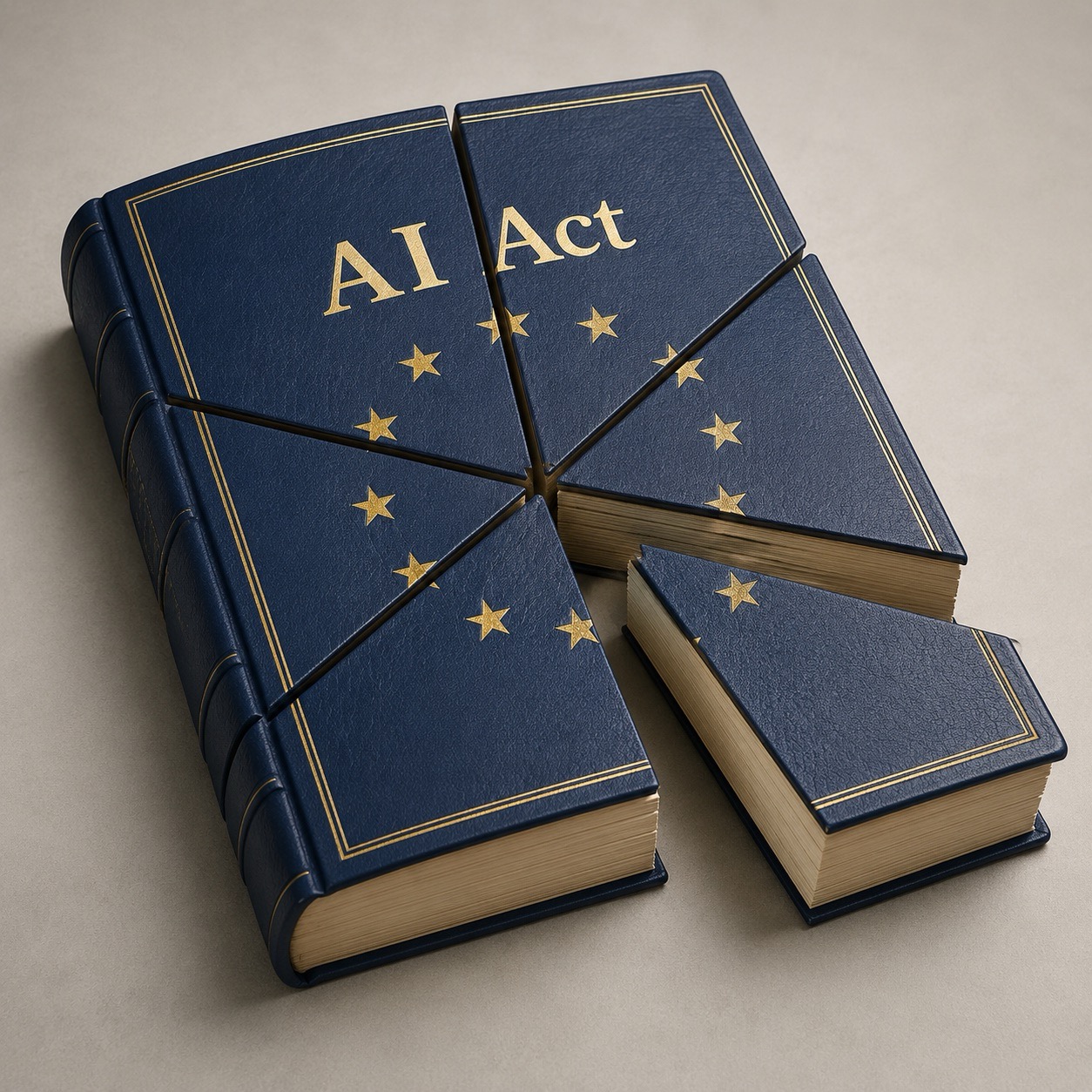
🔒 AI Act in stages. Deadlines pushed back, but the regulations remain
For months on end, August 2 loomed over companies as a hard deadline: the day after which using AI was set to become much more formalized. The European Union has just let…