

🔒 The new king. Who’s the most important person in a digital company?
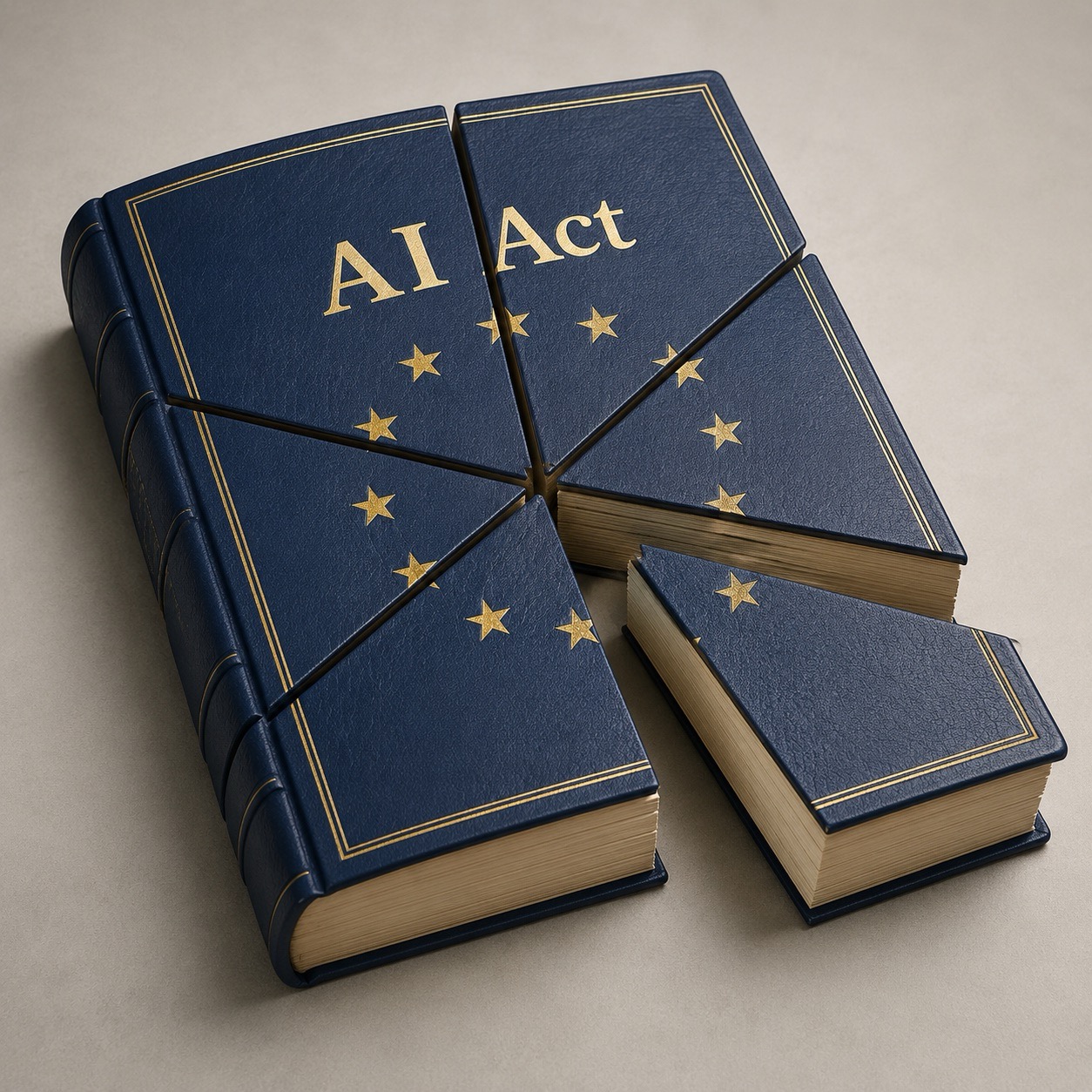
As the EU Artificial Intelligence Act (EU AI Act) approaches full effect, the traditional IT governance model is proving inadequate. Companies are no longer seeking just algorithm creators, but above all their “guardians.” The AI Compliance Officer is a role that has moved beyond a niche experiment to become the foundation for safely scaling cognitive…

This role requires a unique skill set that sits squarely at the intersection of three domains: advanced technology (MLOps), law (digital regulation), and business ethics. The AI Compliance Officer’s primary task is to operationalize legal requirements. For example, the explainability requirement stipulated in the AI Act must be translated by the officer into concrete statistical tests and technical documentation that data engineers can understand.
The key competencies for this role constitute a rare interdisciplinary blend. An AI Compliance Officer must be adept at navigating the provisions of the EU AI Act and the GDPR, and also understand international risk management standards such as ISO/IEC 42001 and the NIST AI RMF. This is complemented by knowledge of machine learning model architectures, essential for identifying biases in data, the ability to conduct Fundamental Rights Impact Assessments, and model lifecycle management aimed at maintaining real-time compliance.

Share
You might be interested in
-
🔒 Is the best AI the one that remembers nothing?
The biggest limitation of AI in business may soon be not its quality, but trust. The more valuable the data companies feed into models, the more important it becomes to ask who…

-
🔒 Is it possible to teach AI without using AI?
Children should understand artificial intelligence before they start using it for homework. Therefore, AI education must not start from access to a chatbot, but from showing how the technology works, where it…

-
🔒 Paper for machines. Why does AI need old books?
These days, books are gaining a value no one was looking for in them just a few years ago. In a world that’s increasingly filled with AI-generated content, paper might turn out…

-
🔒 AI Act in stages. Deadlines pushed back, but the regulations remain
For months on end, August 2 loomed over companies as a hard deadline: the day after which using AI was set to become much more formalized. The European Union has just let…