


🔒 Regulatory straitjacket or digital shield? Two visions for the future of AI
The world is facing a dilemma: whether to keep AI in check with regulations, or to trust free-market mechanisms and legal liability. For businesses, this means calculating whether it is more cost-effective to invest in risk prevention or in insurance policies that protect against its consequences.

Although the race for parameter counts and computing power is in full swing in the tech giants’ laboratories, market reality has changed significantly. The phase of fascination with the capabilities of generative AI has given way to a sober review of invoices. Both technology providers and their business clients have stopped asking “what can this model do?” and started asking: “is it compliant with the law, safe for data, and when will the investment pay off?”
For management, the priority is no longer the speed of deployment but its predictability. The market is moving toward stability—companies are seeking legal frameworks that allow them to turn technological chaos into profitable and scalable processes. In this context, the debate over regulation is no longer an academic dispute but a struggle over the shape of those frameworks. Should the state assume the role of the “chief architect of security,” certifying every algorithm before it reaches the market? Or should it remain a “night watchman” that intervenes only after harm occurs? The answer to this question will determine whether corporate budgets in the coming decade are fueled by innovation or drained by compliance departments and legal services.

Share
You might be interested in
-
🔒 A calculator for minds or systemic laziness? The essence of the debate about AI in schools
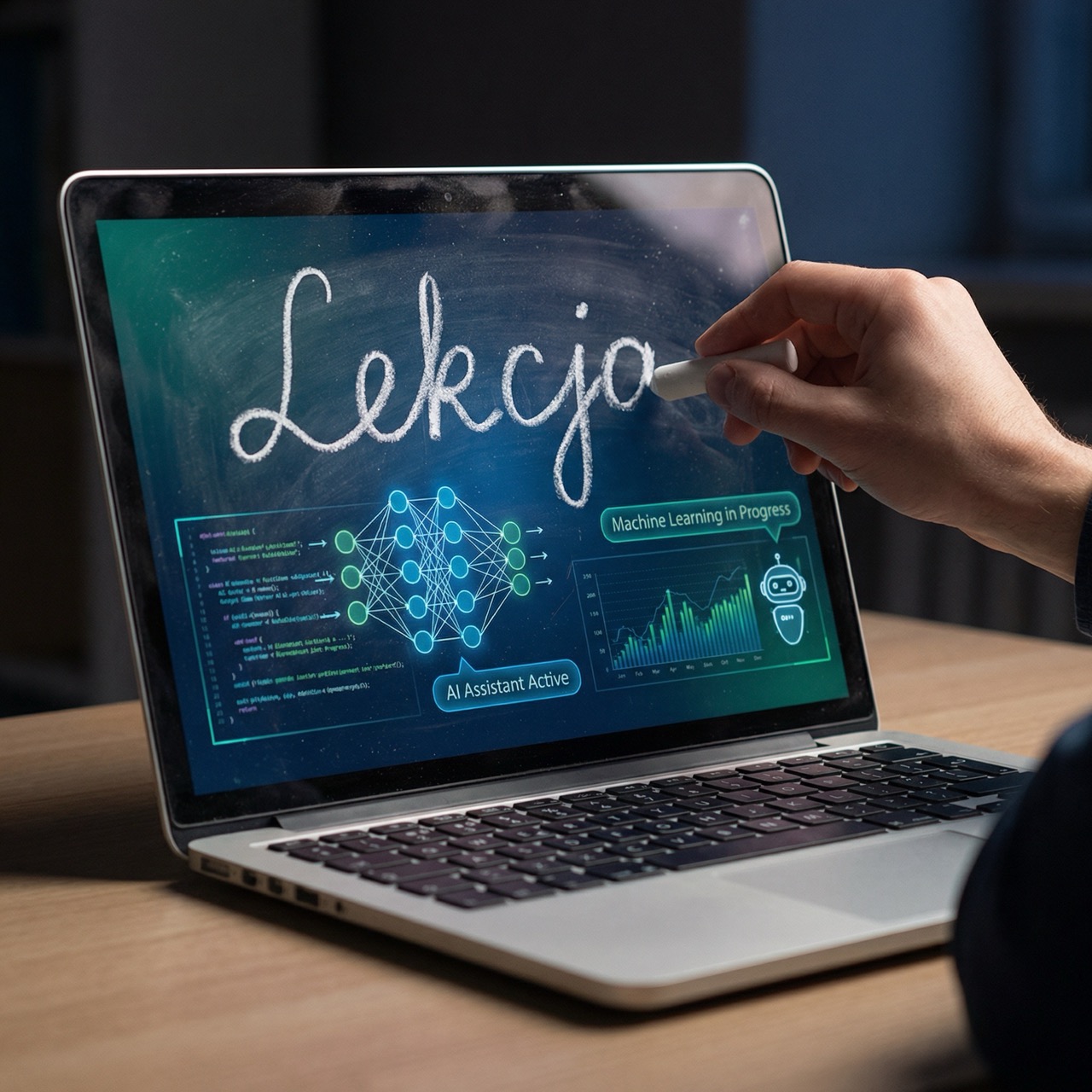
While Asian schools are turning education over to algorithms en masse, we are still seeking a humanistic compromise. The skills of the entire next generation of workers depend on which model we…
-
🔒 AI in creative work: muzzle or overdrive?
In the debate over tools for generating text, images or music, two extreme fears collide. There’s growing fear of fake content, copyright infringements and the loss of artists’ control over their own…

-
🔒 AI’s green tax: Will data centers face special taxation?
The issue of AI’s impact on the climate has ceased to be the domain of activists and has made it onto CFOs’ agendas. Is AI another industrial revolution that requires freedom, or…

-
🔒 Is it learning or… stealing? The debate over royalties, the future of culture and the limits of automation
The debate over royalties for training AI models on others’ creative works is about more than money. On one hand, there’s the idea of open access to knowledge and the tradition of…