


🔒 Nanotechnology: between DNA origami and gray goo
Back in 1986, when E. Drexler was scaring the world with the idea of “gray goo”—self-replicating nanobots devouring the biosphere after being accidentally released into the environment—it was hard to imagine that 40 years later the hottest trend in nanotechnology would be… folding DNA like Japanese origami.
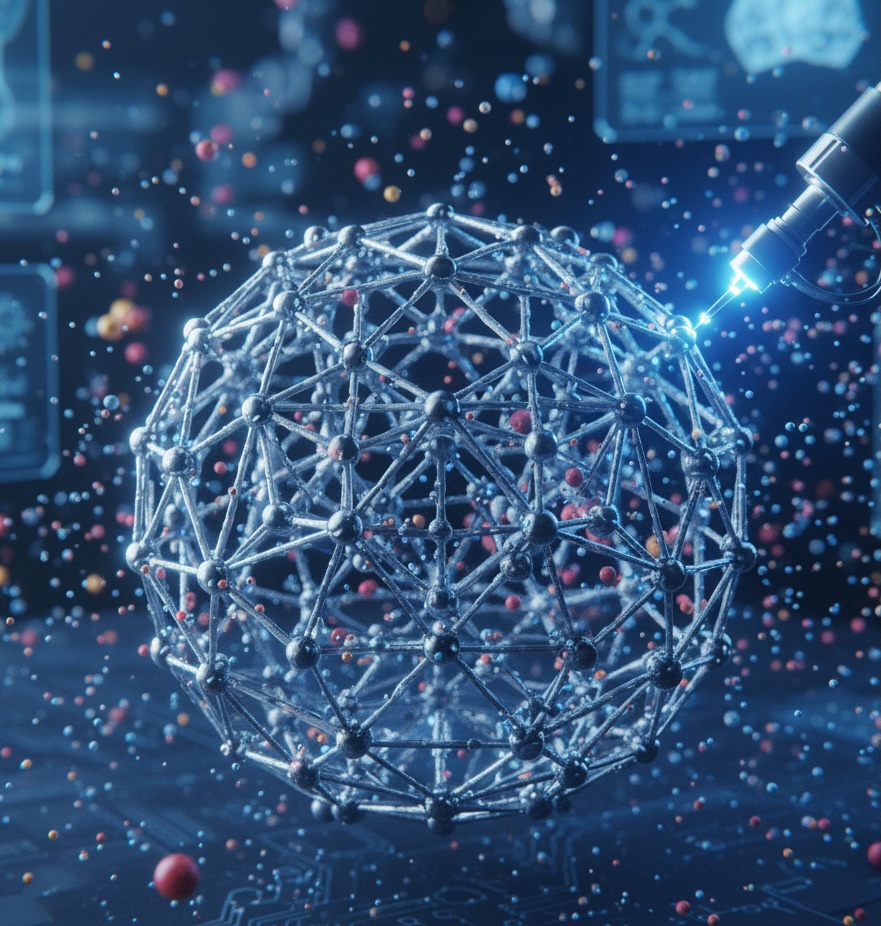
This material was created in collaboration with Nowa Fantastyka.
Drexler, often called the father of nanotechnology, described in his book “Engines of Creation” a scenario in which molecular assemblers could replicate uncontrollably, but today, instead of building armies of microscopic robots, scientists would rather tinker at the molecular level.

Share
You might be interested in
-
🔒 Sex that drives innovation: the role of the adult industry in technological development (and AI)
For decades, the adult industry has served as an unofficial test lab for solutions that later enter the mainstream. Pornography is one of the most effective accelerators of technological innovation in history.

-
🔒 Puff of steam, wheels in motion
The year is 2045. At a fusion facility near Marseille, where the successor to the ITER project has just achieved a stable thermonuclear reaction at a temperature of one hundred million degrees,…

-
🔒 Bus to Proxima: how far really is far?
If Voyager 1, our farthest space envoy, were headed towards Proxima Centauri (which it isn’t), it would take it about 73,000 years to arrive. That’s roughly the same amount of time since…

-
🔒 Mars is a paradise, but only for robots
Elon Musk promises a million people on Mars by 2050. Meanwhile, NASA is struggling to keep seven people on the International Space Station, which is just 250 miles above our heads.