


🔒 Brain in a box
When I tossed out my old laptop a few years ago, I didn’t give a thought to its possible suffering. Silicon is silicon. It cooled down and ended up in e-waste, case closed. Now that simple instinct is becoming problematic.
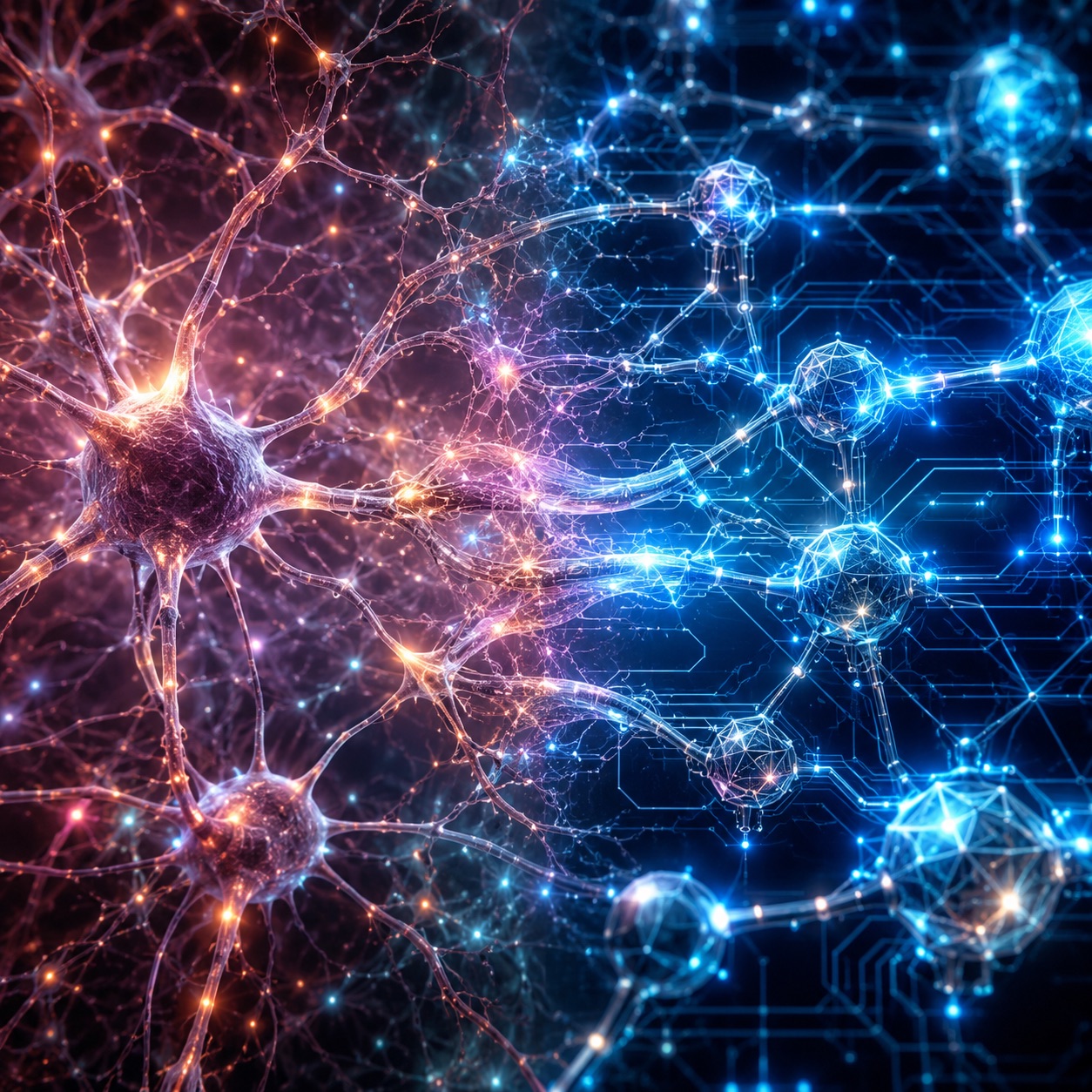
In Melbourne, entire racks of devices are already up and running, linking cultures of human neurons with silicon circuits.
In October 2022, Brett Kagan’s team at Cortical Labs published in Neuron findings that read like a rejected science-fiction script. About 800,000 neurons—some cultures derived from human induced pluripotent stem cells (sounds pretty good, doesn’t it?), others from primary cortical neurons of mouse embryos—were placed on a microelectrode array. The researchers wired this setup into a simplified version of the game Pong. The system received information about the ball via electrical pulses. The paddle’s movements depended on the neurons’ activity. The authors observed signs of learning within five minutes of play. That’s not proof that the culture understood the rules of table tennis. The layer of living cells could simply change its activity as a result of coupling with the environment.

Share
You might be interested in
-
🔒 The end of the slaughterhouse
In 1789, a respectable European could own another human being and sleep soundly at night. He wasn’t a monster…

-
🔒 Get to work
A robot will bring you coffee. Just make sure you know who you’re going to drink it with, because drinking alone, as we all know, isn’t good for you.

-
🔒 Pick a face, choose a voice
Imagine a Monday morning a few years from now. I get up, I don’t shave (as usual), but before I head out, I open an app and set my public profile to…

-
🔒 Sovereignty for rent
You can regulate machines you didn’t build and ride in cars you don’t drive—for a while. Sovereignty you don’t build is for rent. And any lease can be terminated.